Losing weight does not mean eating less food. It means eating the right kind of food. One of the biggest mistakes people make during weight loss is cutting meals too much. This process slows the body, increases cravings, and often leads to muscle loss instead of fat loss. High-protein meals solve this problem.
Protein helps you burn fat, stay full for longer hours, and protect your muscles at the same time. When protein is used correctly, weight loss becomes easier, more stable, and more sustainable. You feel full and energetic all day.
Everything below is explained in very simple English. No hard words. No confusion. There is only real, practical information that is applicable in everyday life.
Why High-Protein Meals Help With Weight Loss
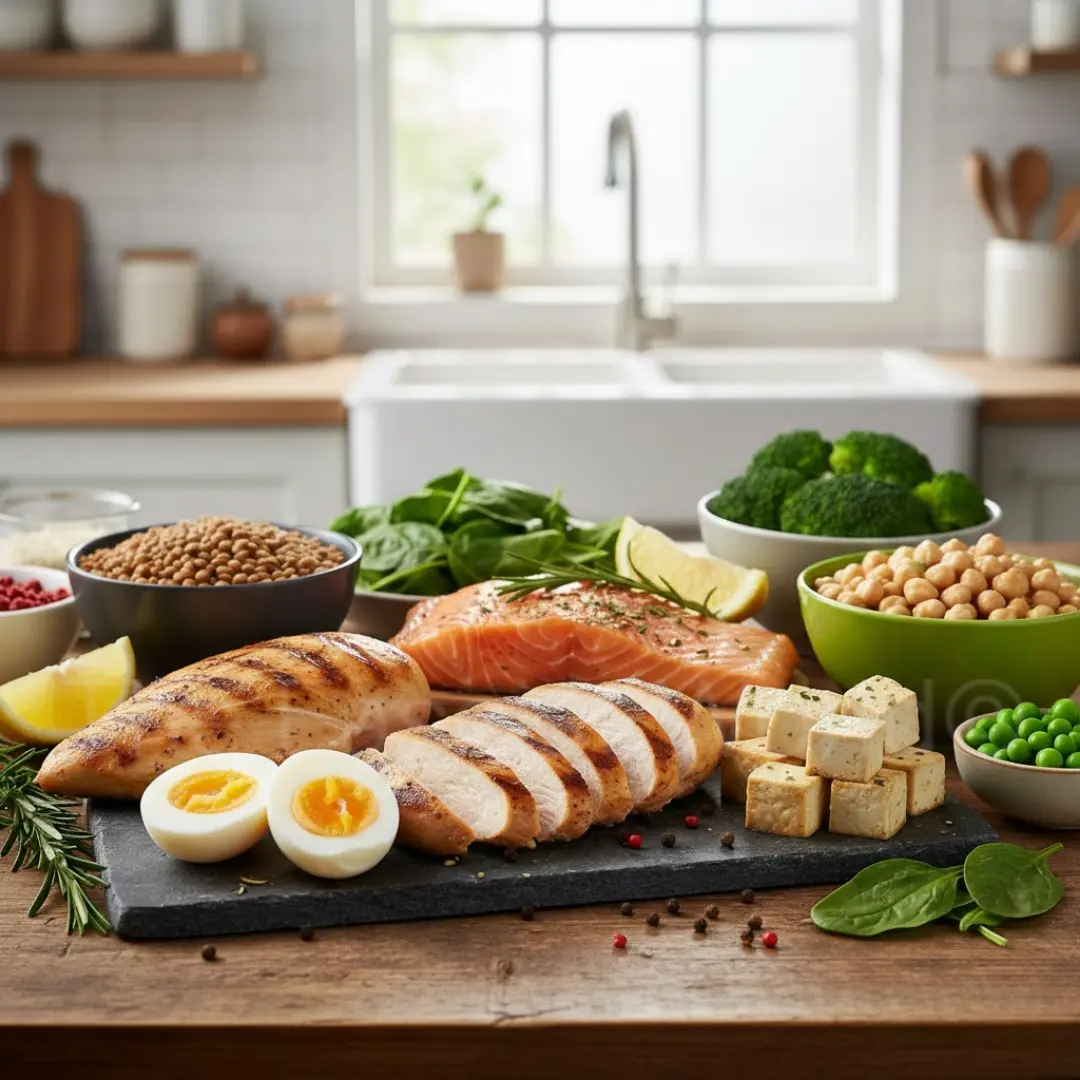
Protein works differently from carbs and fats. When you eat protein, your body uses more energy to digest it. Without doing anything extra, this enzyme helps burn more calories.
How Protein Boosts Metabolism
Your body burns calories just to digest food. Protein needs more effort to digest compared to carbs or fats. This means your body burns more calories when you eat protein-rich meals.
While protein does not have a magical effect, it does contribute to maintaining an active metabolism. When people eat very low calories without enough protein, the body slows down to save energy. Protein helps prevent this slowdown.
When metabolism stays active, fat loss becomes smoother and more consistent.
How Protein Helps Burn Fat
Protein protects muscle. This is extremely important.
When protein intake is too low, the body starts using muscle for energy. Losing muscle slows fat burning because muscle helps burn calories even at rest.
When you eat enough protein, your body holds onto muscle and uses stored fat instead. This leads to better fat loss and a healthier body shape, not just weight loss on the scale.
That is why high-protein meals for weight loss are so effective.
Why Protein Keeps You Full Longer Than Carbs
Carbs digest fast. Protein digests slowly.
After a high-protein meal, your stomach stays full for a longer time. Hunger hormones stay low, and cravings reduce naturally. Blood sugar remains stable, which prevents sudden hunger attacks.
This makes calorie control easier without forcing yourself to eat less.
For more tips on weight loss and healthy living, check out our Health & Wellness section.How Much Protein Do You Need for Weight Loss?
Protein needs depend on body weight, not guesswork.
Protein Per Kg Body Weight (Easy Formula)
A safe and effective range is:
1.6 to 2.2 grams of protein per kilogram of body weight
Example:
If your weight is 70 kg:
70 × 1.6 = 112 grams
70 × 2.2 = 154 grams
Your daily protein target should be between 110 and 150 grams.
Beginner-Friendly Daily Ranges
- Light activity: 1.6 g per kg
- Moderate exercise: 1.8–2.0 g per kg
- Fat loss with training: up to 2.2 g per kg
You do not need to hit the exact number every day. Staying close is good enough.
Common Protein Mistakes
Too little protein
Overeating can result in hunger, muscle loss, and slowed progress.
Too much protein
Can reduce fiber intake and cause digestion problems if vegetables are ignored.
Balance always matters.
Protein-Rich Foods for Weight Loss (Complete List)
Animal-Based Protein Sources
Animal protein is complete and easy for the body to use.
- Chicken breast
- Fish (salmon, tuna, cod)
- Steak
- Shrimp
- Lobster
- Eggs
Lean vs Fatty Cuts (Simple Explanation)
Lean cuts give more protein with fewer calories. Fatty cuts have more calories but still provide protein.
For weight loss, lean cuts should be eaten more often.
Adequate protein intake is the single most important dietary factor for preserving muscle and promoting fat loss during weight reduction.
— Donald Layman Professor Emeritus of Nutrition, University of IllinoisPlant-Based Protein Sources
Plant protein also supports weight loss when combined properly.
- Lentils
- Chickpeas
- Kidney beans
- Tofu
Vegetables High in Protein
Vegetables are not high in protein, but they support protein intake and digestion.
- Broccoli
- Spinach
- Green peas
These vegetables high in protein also provide fiber, which keeps digestion smooth and hunger under control.
High-Protein Lunch Ideas (Quick & Easy)
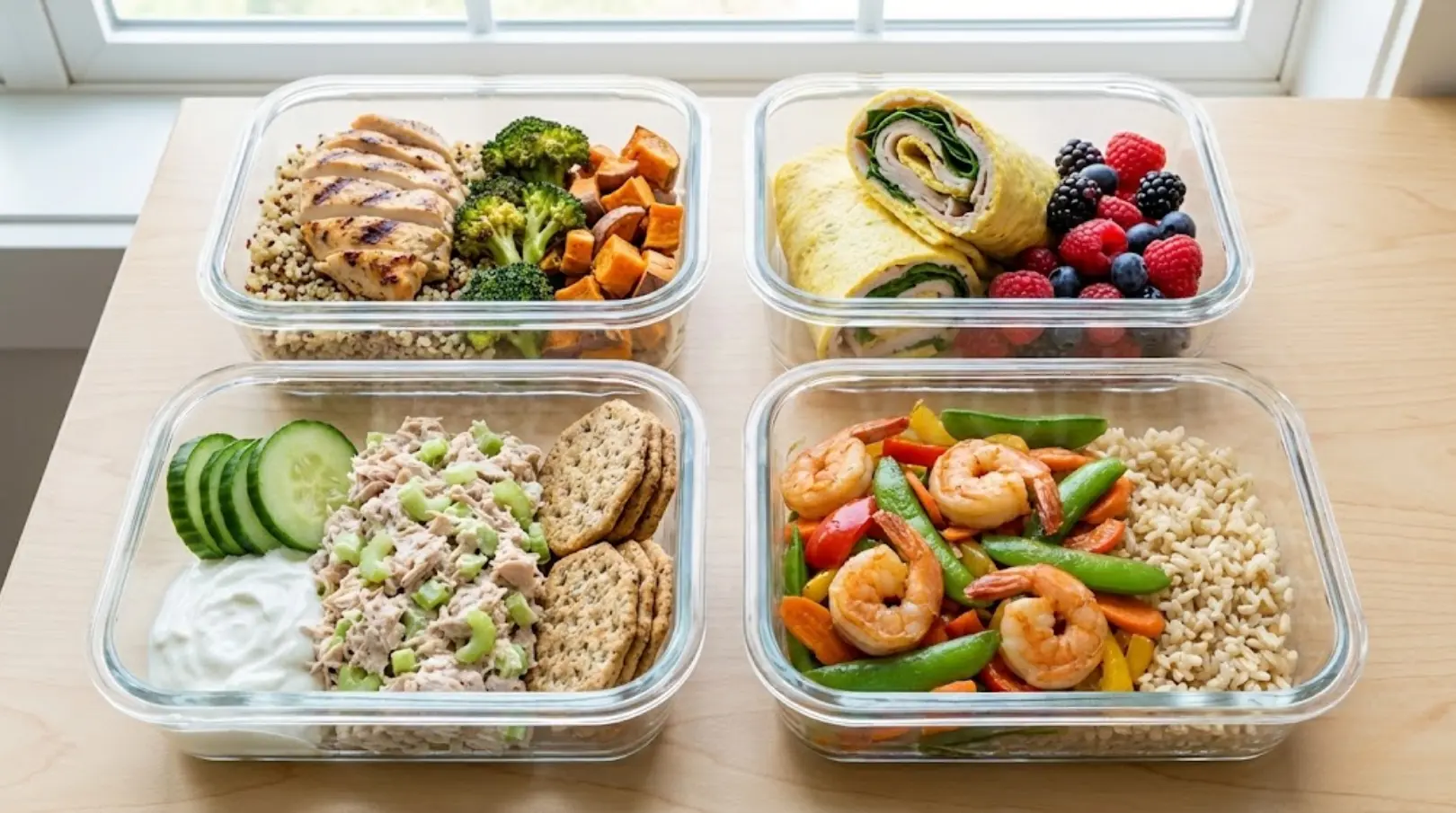
These meals work well for office lunches and home meals.
1. Grilled Chicken Bowl
Calories: ~420
Protein: ~40 g
Chicken breast with rice, vegetables, and a light sauce.
2. Egg & Veggie Wrap
Calories: ~380
Protein: ~30 g
Eggs, whole wheat wrap, and spinach.
3. Tuna Salad Plate
Calories: ~350
Protein: ~35 g
Tuna with olive oil, lemon, and vegetables.
4. Lentil & Greek Yogurt Bowl
Calories: ~400
Protein: ~28 g
Lentils mixed with Greek yogurt and spices.
5. Shrimp Stir Fry
Calories: ~370
Protein: ~42 g
Shrimp cooked with mixed vegetables.
These high-protein lunch ideas keep energy levels stable and prevent evening cravings.
High-Protein Recipes for Weight Loss
Quick Recipes (15–20 Minutes)
Pan Chicken with Garlic
Chicken breast cooked with garlic, olive oil, and spices.
Egg Scramble Bowl
Eggs scrambled with onion and spinach.
Greek Yogurt Protein Bowl
Greek yogurt mixed with seeds and berries.
Meal-Prep Friendly Recipes
Baked Chicken Tray
Cook once and use for 3–4 meals.
Lentil Curry Base
The lentil curry base is high in protein, easy to store, and versatile for meal preparation.
These high-protein recipes for weight loss save both time and money.
How to Eat High-Protein Meals for Best Weight Loss Results
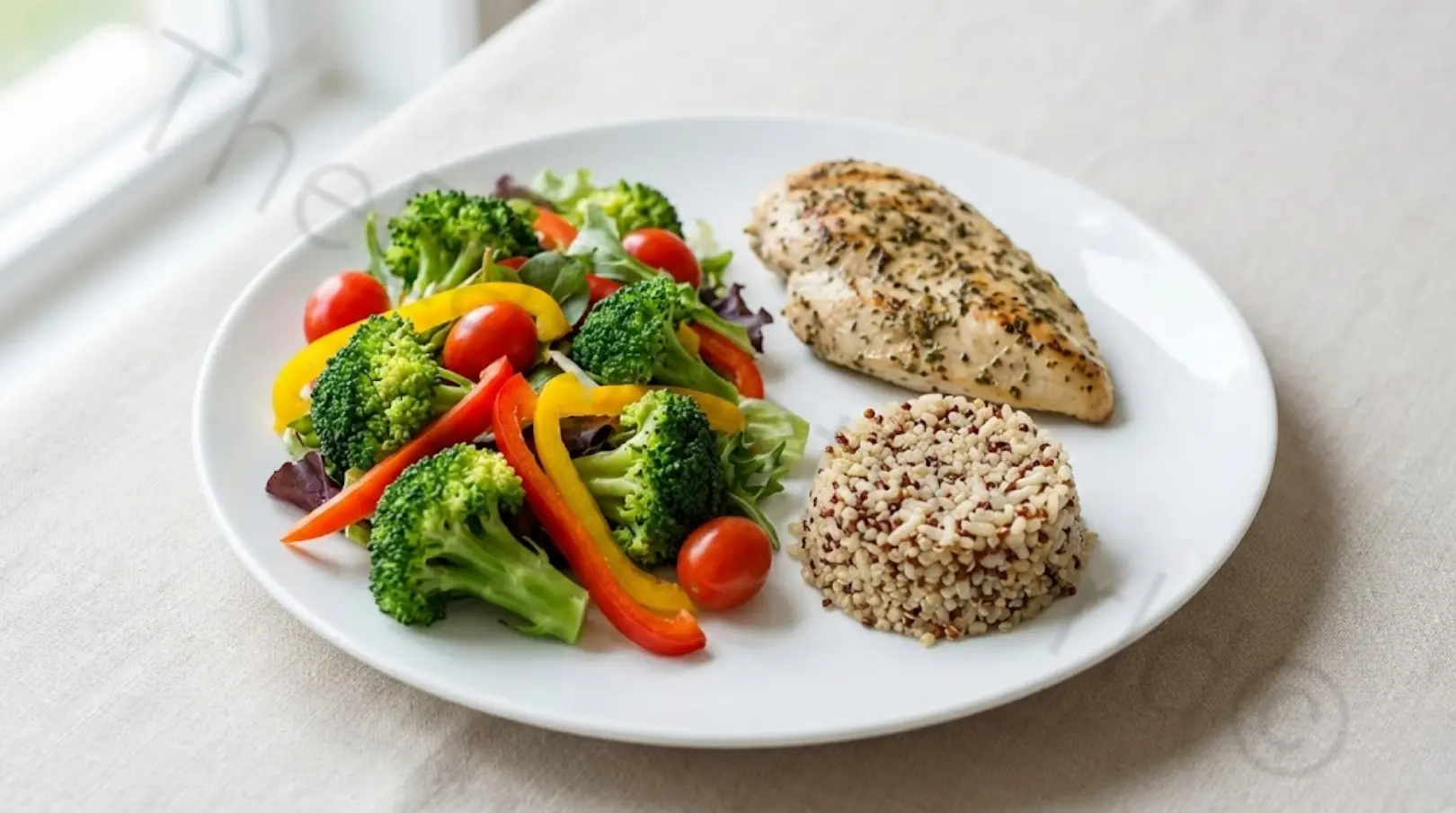
Knowing what to eat is important, but knowing how to eat matters just as much.
How to Eat a High-Protein Breakfast
Best choices: eggs, Greek yogurt, and light protein meals.
Eat protein first in the morning. Add vegetables or fiber. Avoid sugar-heavy breakfasts.
A protein-rich breakfast controls hunger for the entire day.
Example:
2–3 eggs with spinach
Greek yogurt with seeds
How to Eat a High-Protein Lunch
Best choices: chicken, tuna, lentils, shrimp.
Keep half of your plate filled with protein and vegetables. Keep rice or bread limited. Avoid heavy sauces and fried foods.
This keeps energy high without making you feel sleepy.
How to Eat a High-Protein Dinner
Best choices: fish, lean steak, eggs, and yogurt-based meals.
Reduce carbs at dinner. Focus on protein and vegetables. Finish dinner 2–3 hours before sleep.
This helps reduce fat storage at night.
How to Eat Protein Snacks
Choose Greek yogurt, boiled eggs, or small protein portions. Eat snacks only when truly hungry.
Protein snacks reduce cravings and prevent overeating.
How to Avoid Digestion Problems on a High-Protein Diet
Always add vegetables with protein. Drink enough water. Do not rely only on protein shakes.
Protein works best with fiber and hydration.
Egg Protein Explained (2 Eggs vs 3 Eggs)
Eggs are one of the most complete protein foods.
Protein in 2 Eggs
- Protein: 12 grams
- Calories: ~140
Protein in 3 Eggs
- Protein: 18 grams
- Calories: ~210
How Many Eggs Per Day Is Safe?
For healthy adults, 2–3 eggs per day is safe.
Eggs do not cause weight gain. Excess calories do.
Meat & Seafood Protein Comparison
Protein in a 6 oz Steak
- Protein: ~42 g
- Calories: ~360
- Fat: Moderate
Lean steak fits well in a weight loss diet when portions are controlled.
Shrimp & Lobster Protein
One shrimp: ~1 g protein
Lobster (1 cup cooked):
Protein: ~28 g
Calories: very low
Seafood provides high protein with fewer calories.
Is Fish and Bison Healthier Than Chicken?
- Fish: lean protein with healthy fats
- Bison: leaner than beef
- Chicken: affordable and versatile
For weight loss, fish is usually the best overall choice, but all three work.
Dairy Protein for Weight Loss
Greek Yogurt (1 Cup Nutrition)
- Protein: ~23 g
- Calories: ~130
Best times to eat:
- Breakfast
- After workouts
- Evening snack
Greek yogurt, 1 cup of nutrition, makes it ideal for fat loss.
Simple High Protein Meal Plan (Weight Loss)
1-Day Sample Plan
Breakfast: Eggs with vegetables
Lunch: Chicken bowl
Snack: Greek yogurt
Dinner: Fish with vegetables
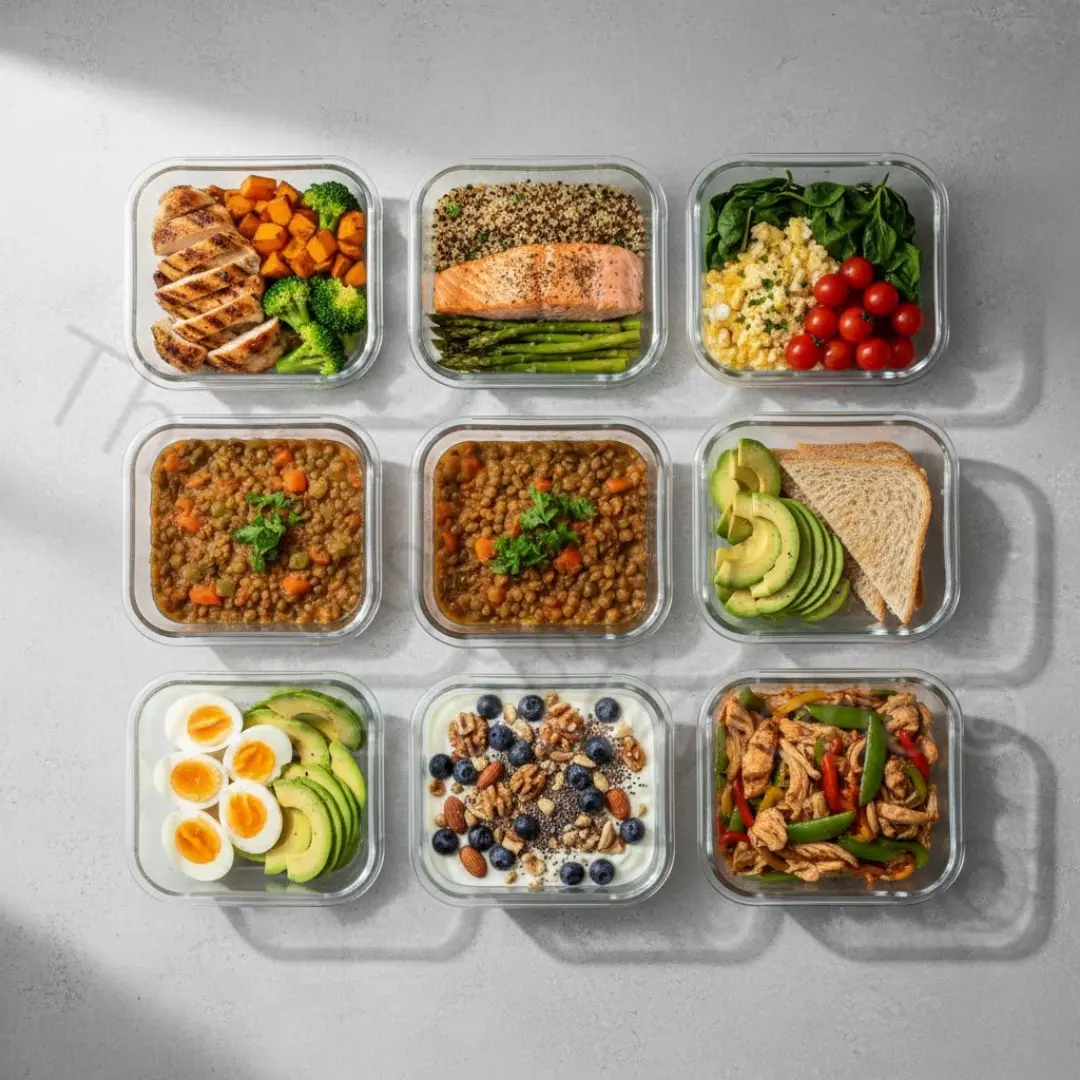
7-Day Overview
Rotate protein sources:
- Chicken
- Fish
- Eggs
- Lentils
- Yogurt
This high-protein meal plan is easy to follow and sustainable.
Common Mistakes People Make on High-Protein Diets
Ignoring fiber leads to digestion problems.
Relying only on processed protein is unhealthy.
Ignoring calories slows weight loss.
Protein helps, but balance is still required.
Final Takeaway
High-protein meals make weight loss easier, not harder.
Weight loss is not about eating less food. It is about eating the right foods that help you stay full and protect muscle.
— Eric Helms, PhD Sports Nutrition ResearcherFocus on real food, enough protein, and balanced meals. Avoid extreme dieting and build habits you can follow long-term.
Slow, steady fat loss always wins.
For best results, most studies recommend 1.6 to 2.2 grams of protein per kilogram of body weight. This helps burn fat, preserve muscle, and control hunger.
Yes. Eggs are rich in high-quality protein and healthy fats. They keep you full longer, reduce cravings, and protect muscle during weight loss.
No. Lean steak can be part of a healthy diet when eaten in controlled portions. It provides protein, iron, and supports fat loss without muscle loss.
Vegetables contain protein but cannot replace complete protein sources. They are best combined with eggs, meat, dairy, or legumes.
Protein protects muscle. When your body keeps muscle intact, it uses stored fat for energy instead of muscle, improving fat loss and body shape.
Chicken breast, fish (salmon, tuna), eggs, lean steak, shrimp, lobster, lentils, chickpeas, kidney beans, and tofu. Vegetables like broccoli, spinach, and peas support protein intake and digestion.
Sources & References
- High-protein diets are shown to improve fat loss and support muscle preservation during weight loss. PubMed: Protein intake and weight management
- Protein increases satiety and diet quality in weight management compared to lower protein diets. PubMed: High protein diets and appetite control
- USDA defines the Protein Foods Group and lists key high-protein foods for a healthy diet. USDA MyPlate Protein Foods Group
- Nutrition.gov provides reliable information on dietary proteins and healthy eating patterns. Nutrition.gov – Proteins guide
- NIH Office of Dietary Supplements offers evidence-based information on protein and nutrition. NIH ODS – Protein fact sheet
This article is for general informational and educational purposes only. It does not provide medical advice, diagnosis, or treatment. Weight loss results vary based on age, health, lifestyle, and individual body conditions. Always consult a qualified healthcare professional, doctor, or registered dietitian before making major changes to your diet, nutrition, or lifestyle. This information should not be used as a substitute for professional medical guidance.
Featured Snippet
High-protein meals help with weight loss by boosting metabolism, preserving muscle, and keeping you full longer. Aim for 1.6-2.2 g of protein per kg of body weight each day.