Quick Summary
Life in Gaza has become a daily struggle for millions of people, especially children. Many families have lost their homes and now live in tents or shelters without enough food, clean water, or medicine.
Schools and hospitals are damaged, and many children cannot study or get proper medical care. Hunger, sickness, and fear affect everyday life.
Children in Gaza do not want war — they want safety, to go to school, and to have a future. They need peace, protection, and help from the world.
Introduction
Life in Gaza Crisis 2026 is no longer normal for millions. Since late 2023 the region has faced one of the worst humanitarian crises in recent memory. Thousands of civilians including many children have died in ongoing fighting.
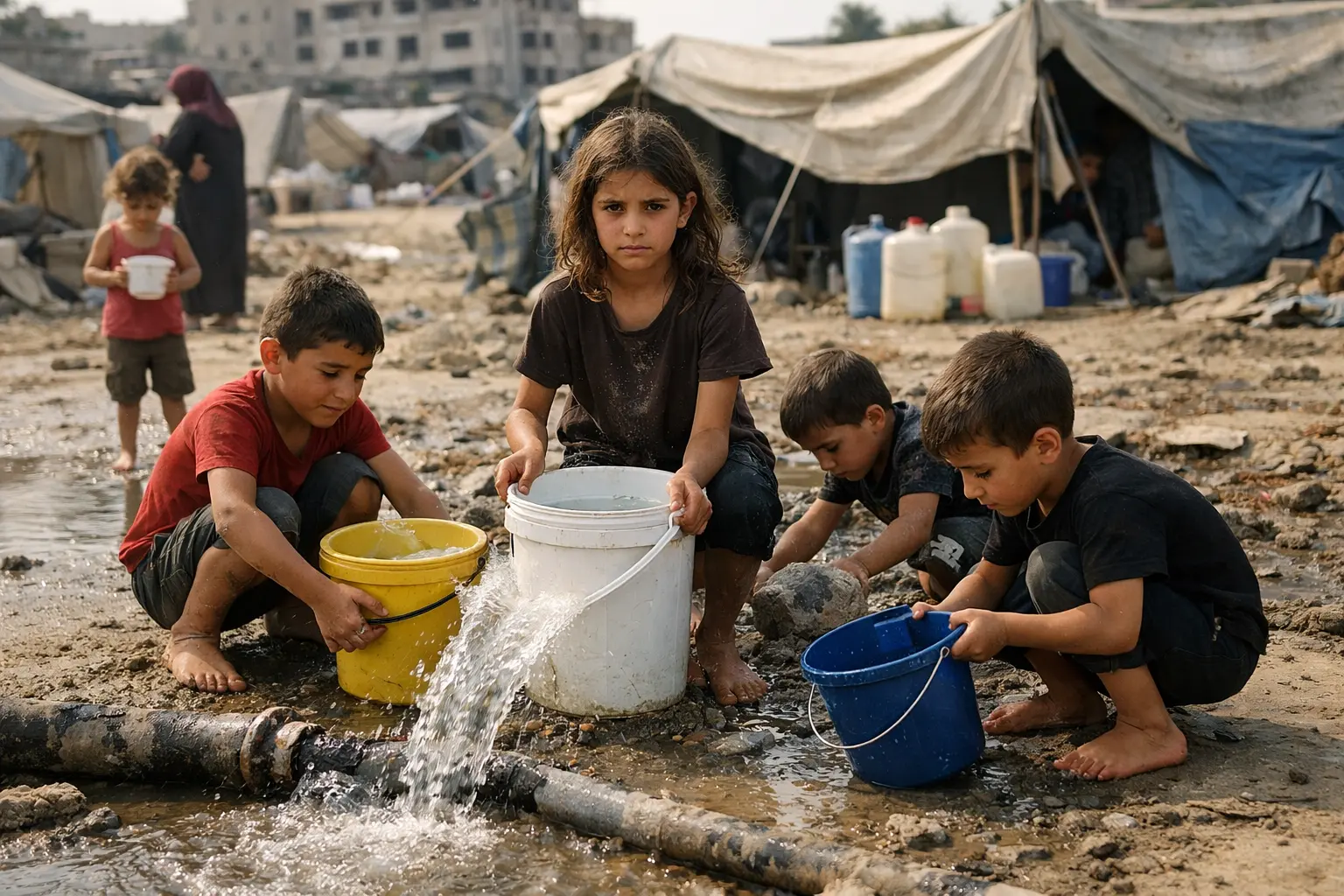
Over 1.9 million people almost half of them children have been forced to flee their homes. Families struggle to find clean water, food, fuel, and medicine. Homes, schools, hospitals, and roads lie in ruins. For Gaza’s civilians this crisis is not just about war it is about surviving each day with safety and dignity.
Daily Life of Civilians
Life in Gaza is a constant struggle. Around 1.5 million people remain displaced often moving repeatedly to escape danger. Many families live in tents, damaged buildings or crowded shelters.
More than 700 thousand people have taken shelter in United Nations schools and centers. Many others sleep outdoors. Families share whatever little food and water they can find.
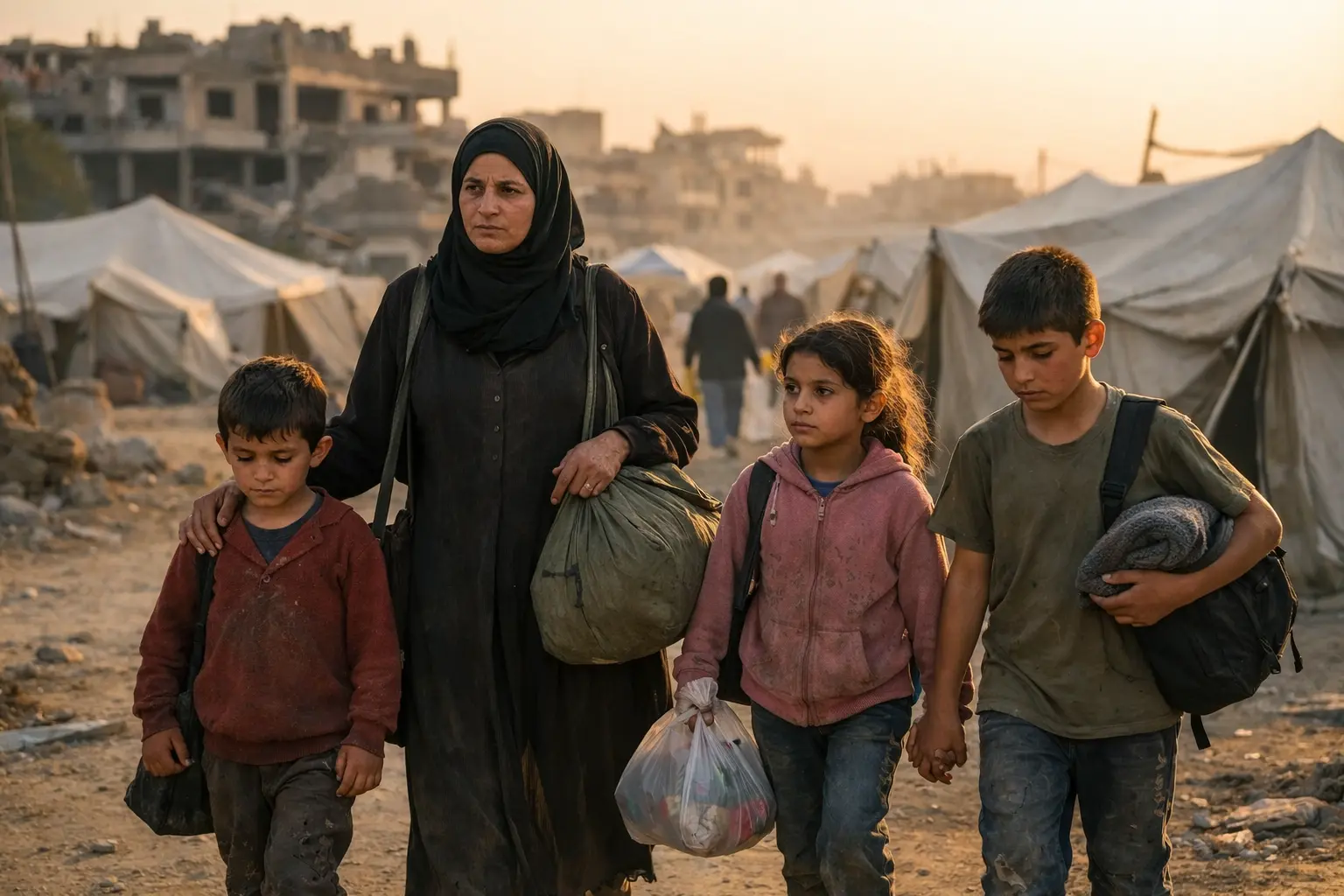
Electricity has been almost completely cut off since October 2023. Water pumps fail and hospitals cannot function properly. Families collect water in buckets and live in darkness at night. Broken roads and weak phone networks make movement dangerous and calling for help difficult.
Impact on Children and Families
Children suffer the most. Thousands have been killed, injured, or left without parents. Many have lost homes and a sense of safety.
Most children do not get enough food, and many suffer severe malnutrition.
Parents skip meals so their children can eat. Baby formula and basic nutrition are scarce. Families live in fear unable to protect their children from hunger, illness, or airstrikes.
Hospitals are full of injured children yet medical supplies are limited. Painkillers, antibiotics, and clean medical tools are often unavailable. During winter many children suffered extreme cold because shelters lacked heating and warm clothes. Some newborn babies reportedly died after exposure to freezing temperatures in tents.
Destruction of Homes and Infrastructure
Large parts of Gaza have been destroyed. Entire neighborhoods no longer exist leaving families with nothing to return to. Roads, bridges, and communication systems are badly damaged.
Water and sewage systems have collapsed. Many wells and pipes were destroyed leaving families with very little clean water each day. People are forced to use contaminated water, leading to diseases like diarrhea and hepatitis, especially among children. In some areas sewage flows openly through the streets. Families fear disease almost as much as bombing.
The collapse of healthcare systems
Gaza’s healthcare system is near collapse. Many hospitals and clinics have been damaged or shut down. Those still operating face shortages of medicines and equipment.
Doctors and nurses work long hours under extreme pressure. Patients are turned away because hospitals are full or lack supplies. Pregnant women, newborns, elderly people, and patients with long-term illnesses face serious risks. People die from injuries and illnesses that would normally be treatable. Medical workers call for fuel and protection, but help remains limited.
Education Loss
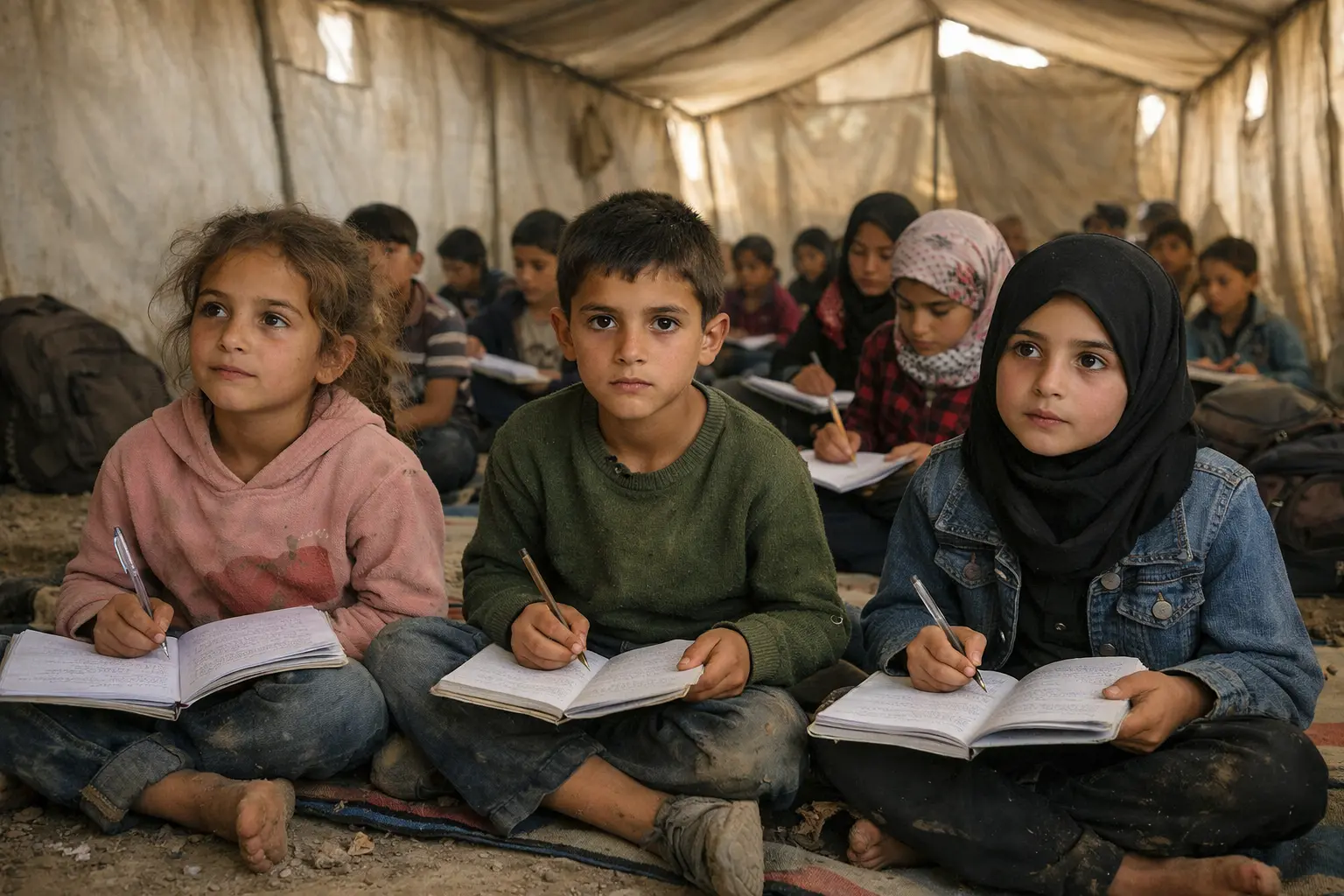
Education in Gaza has almost stopped. Most schools are damaged, destroyed, or used as shelters. Children who once sat in classrooms now live in camps without books or lessons.

Some teachers and aid groups try to provide learning in tents, but only a few children can attend. Many have lost years of education. Parents worry their children will grow up without skills for a better future. One displaced child said he barely remembers school. His only hope is to survive and study again one day.
Human Rights and International Law
International law exists to protect civilians during war. Children, hospitals, schools, and aid workers must be protected. Civilians should have access to food, water, shelter, and medical care.
When civilians are harmed or essential facilities destroyed without military need, it may be a serious violation of international law. Human rights groups remind all sides that protecting innocent lives is both a legal duty and a moral responsibility.
Role of Global Politics
The crisis in Gaza is strongly influenced by global politics. The United Nations has repeatedly called for a ceasefire and safe access for aid. Many countries support these calls, yet political disagreements slow action.
Some nations send aid, while others provide military or political support. Aid reaches Gaza but remains far below what people need. Decisions made by powerful countries directly affect whether families receive food, medicine, and protection.
Why Collective Blame Is Wrong
Blaming an entire population for the actions of armed groups or governments is unfair and dangerous. Ordinary civilians, especially children, are not responsible for political or military decisions.
Hatred based on religion or nationality only increases violence. Many Palestinians and Israelis want peace and safety for their families. Justice should focus on actions not punishing entire communities.
Call for Ceasefire and Aid
Humanitarian organizations urgently call for a lasting ceasefire and full access for aid. Food, clean water, fuel, medical supplies, and shelter must reach Gaza without delay.
Aid alone cannot end suffering. Violence must stop civilians must be protected, and international law must be respected.
Conclusion
The people of Gaza, especially children, have suffered deeply. Hunger, fear, illness, and displacement shape daily life.
Experts warn the effects of this crisis will last generations. The world must not turn away. Protecting civilians is a human responsibility, not a political choice. The children of Gaza deserve access to safety education, clean water, and hope. Only peace, justice, and humanity can begin the healing process.
Life changed suddenly for millions of people. Gaza is facing a humanitarian crisis where homes, schools, and hospitals have been badly damaged.
Many places are no longer safe. Families are forced to leave to protect their children, even if they must live in tents or shelters.
Children are scared, hungry, and tired. Many have lost their homes, schools, or family members and struggle to feel safe.
School life has almost stopped. Most schools are destroyed or used as shelters, so many children cannot study.
Food is very limited. Parents often eat less so their children can eat, but many kids still feel hungry.
Clean water is hard to find. Many families must use unsafe water, which makes children sick.
Doctors try their best, but hospitals are overcrowded. Medicines, fuel, and medical tools are often missing.
Bombings and violence make daily life dangerous. Children never know when it will be safe again.
Children did not choose this situation. They are innocent and should never be blamed for conflict.
Some help is coming, but it is not enough. Many families still wait for food, water, and medicine.
Peace can save lives. A ceasefire allows aid to reach people and gives children a chance to feel safe.
Their wishes are simple. They want safety, food, school, and a peaceful future.
Every child matters. Protecting children is a human responsibility shared by the whole world.